




I wanted to carry the studio with me.
The story of a booth designed by a voice artist who had to record everywhere, from a parked car to a hotel closet, and that went on to win six international awards.
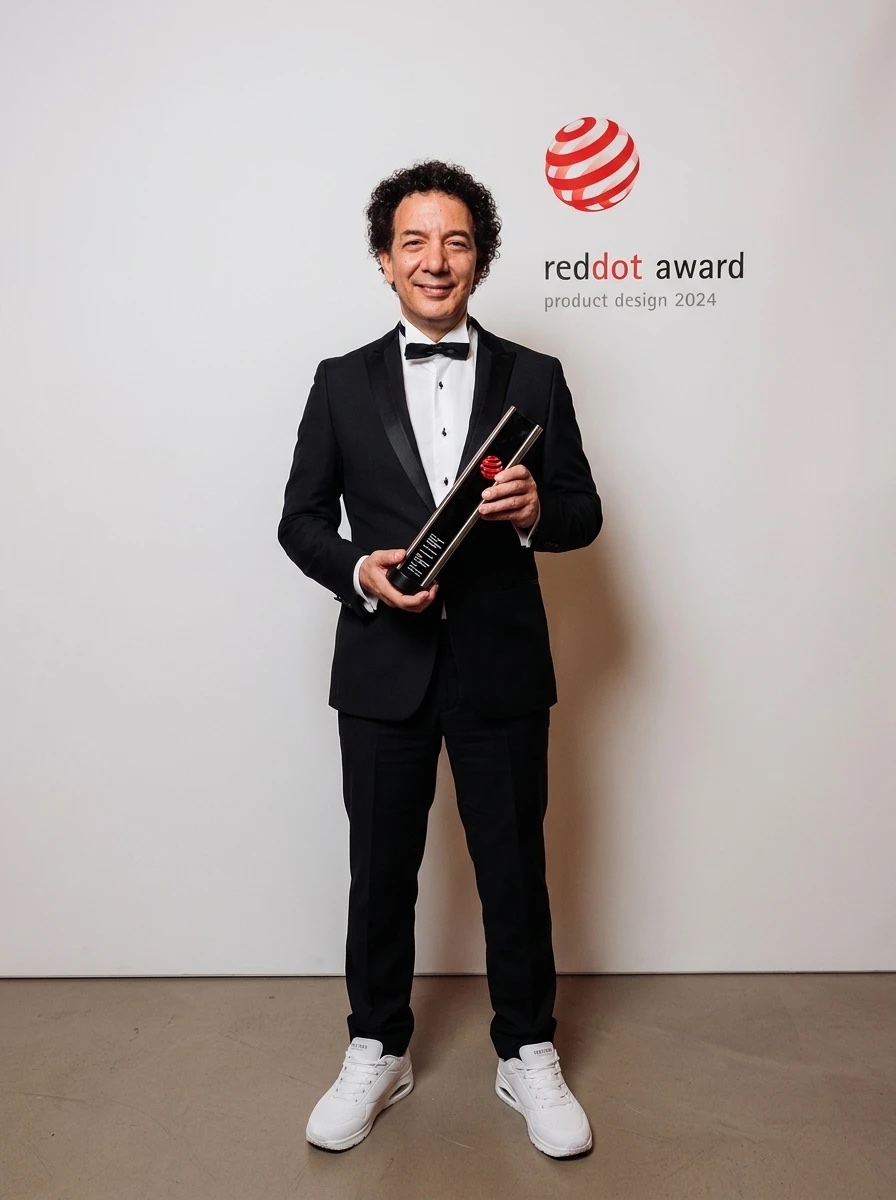
Ufuk BigayDesigner of VTRAP
- 1984Starts in voice-over at 13, in an analog studio
- 1994First album
- 2006Brand voice of National Geographic in Turkey
- 2016His own studios
- 2020The pandemic and the first prototypes
- 2022Independent acoustic analysis
- 2023IBC Amsterdam
- 2024–256 international design awards
- 40,000+films and series dubbed, as voice actor and director
- 50+musical films and animations
- 4albums of his own since 1994
- 6international design awards
Growing up in the studio
I started in voice-over in 1984, at 13, when everything was still analog. From single-channel mono recordings on magnetic tape to Dolby Atmos 7.1.4 digital mixes, all of the technology evolved alongside me, and I had to master every step in between. Each time I had to relearn what I knew, because both the knowledge and the practice changed completely. Since then I have voiced and directed the dubbing of more than 40,000 films and series. Spend that long in a studio and, if you're curious, you use every part of it, live through every problem and see how each one gets solved.
When music became my profession, I learned the difference in studio infrastructure first-hand: four albums of my own since 1994 and more than 50 musical films and animations, including Disney's Turkish-language productions. I have worked everywhere from large broadcast studios to rooms that record full orchestras, helped build professional studios, and in 2016 opened my own.
In a parked car, in a closet, under a duvet
Since 2006 I have been the brand voice of National Geographic in Turkey. Being a brand voice means the same tone, the same energy and the highest quality every day, wherever you are. The job had me sending recordings from all over the world. Sometimes from a car in a parking garage. Sometimes from inside a hotel-room closet. Sometimes from under a duvet, fighting with pillows.
For years I tried mobile solutions, and most of them failed. Good acoustics are harder than they look. Our homes are getting smaller and our walls barer, and turning a corner of your home into a studio for a few minutes of recording a day makes little sense.
The pandemic, and one question
Then the pandemic came. Artists couldn't come to the studio. We managed to record them over the internet, but the acoustics of their homes made most takes unusable, and the broadcasts couldn't stop. One day in the studio I asked myself:
How close can I bring the walls to me, and how can I turn that into something portable?
The team
Shrinking a room takes serious maths and materials knowledge. The first to join was sound engineer Serkan Payım; we tested every iteration with real recordings. Then, guided by acoustic architect Dr. Kıvanç Kitapçı, we had the booth measured and optimised it from the results.
The materials used to build a normal studio wouldn't work in something this small and portable. We began working with Ekat Tekstil's engineers, Çetin Çalışkanol and his son Kıvanç Çalışkanol, as permanent consultants, and with the company's 60 years of experience we brought the right materials together. I handed the first prototypes to artists during the pandemic, and clean recordings started arriving from their homes.
Industrial designer Irmak Sarınergiz completed the team. She added the final touches to the product and planned our large-scale production strategy with us.
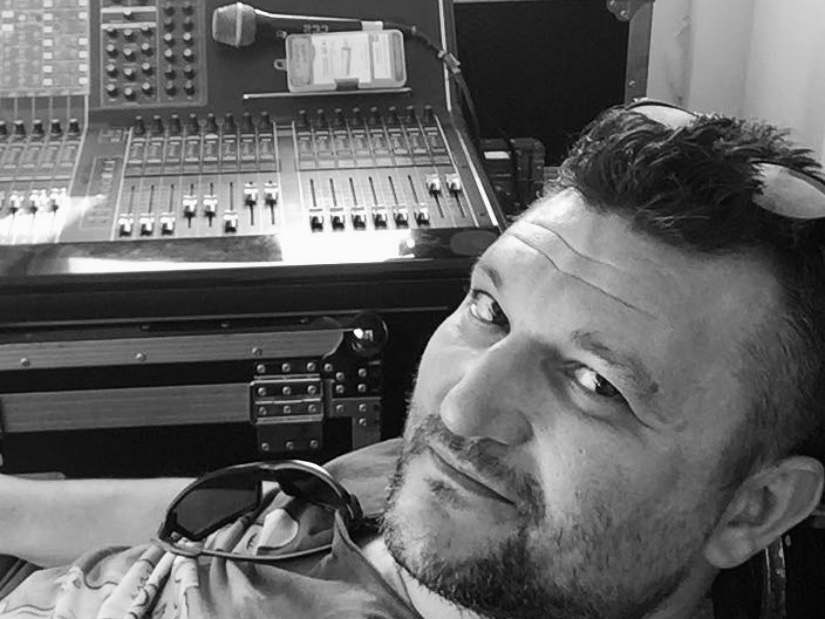 Serkan PayımSound engineer. The first to join; tested every iteration with real recordings.
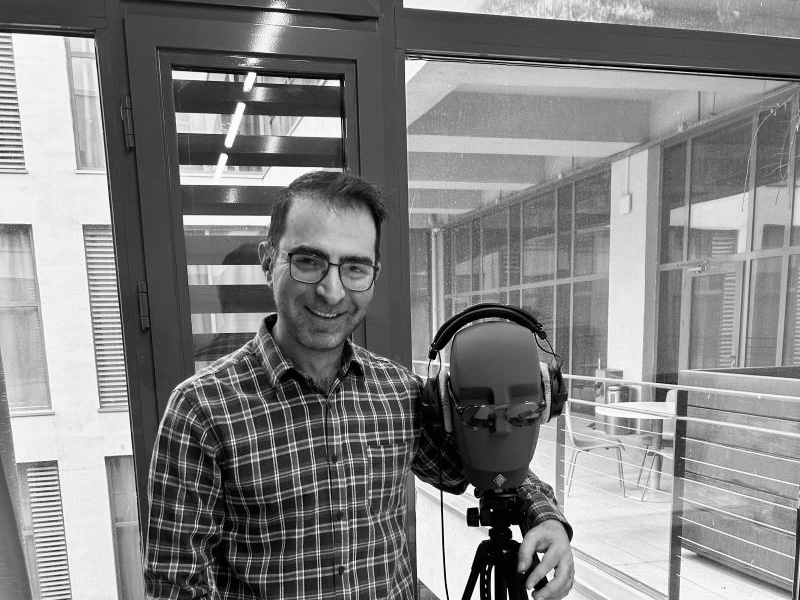 Dr. Kıvanç KitapçıAcoustic architect. Guided the measurements; the product was optimised from the results.
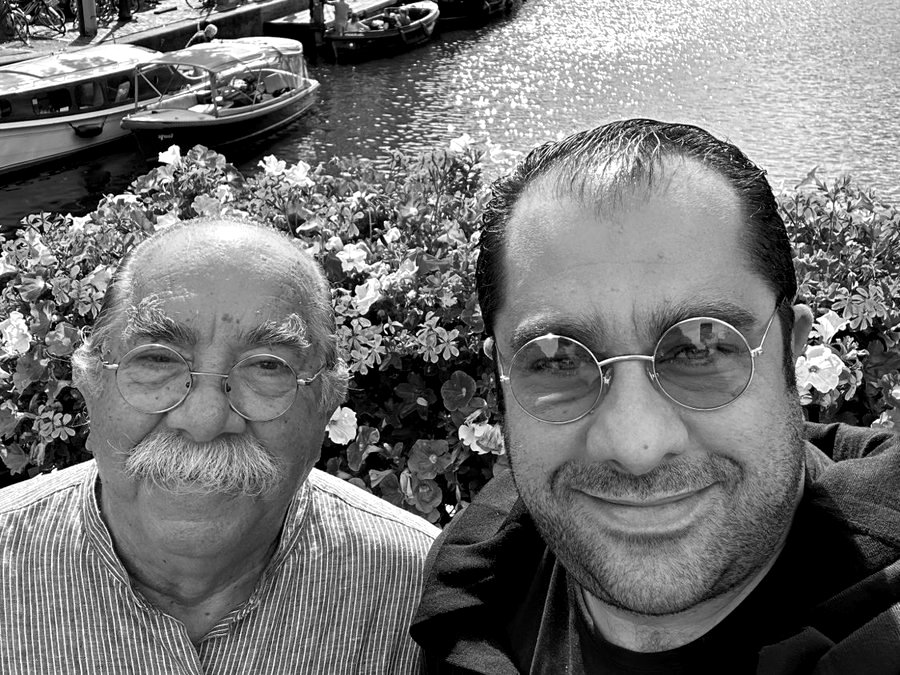 Çetin and Kıvanç ÇalışkanolEngineers at Ekat Tekstil. Materials consulting backed by 60 years of experience.
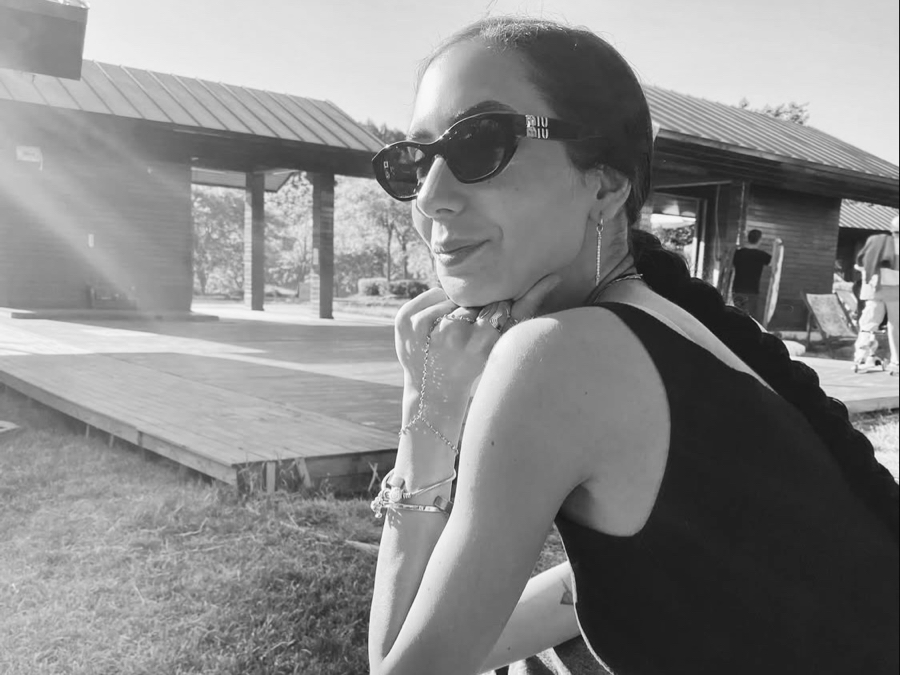 Irmak SarınergizIndustrial designer. Final touches and large-scale production strategy.
From prototype to product
I decided to turn that quick fix into a product. We built our own manufacturing team, and VTRAP is still made in our own workshops today. We produced unit 001 and tested it again. Voice actors used it first, then musicians recording demos, then podcasters. The measurements showed that VTRAP works like a small, portable version of a room with suppressed reflections. That opened new doors: universities teaching acoustics, call centres, hotels.
Trade fairs and awards
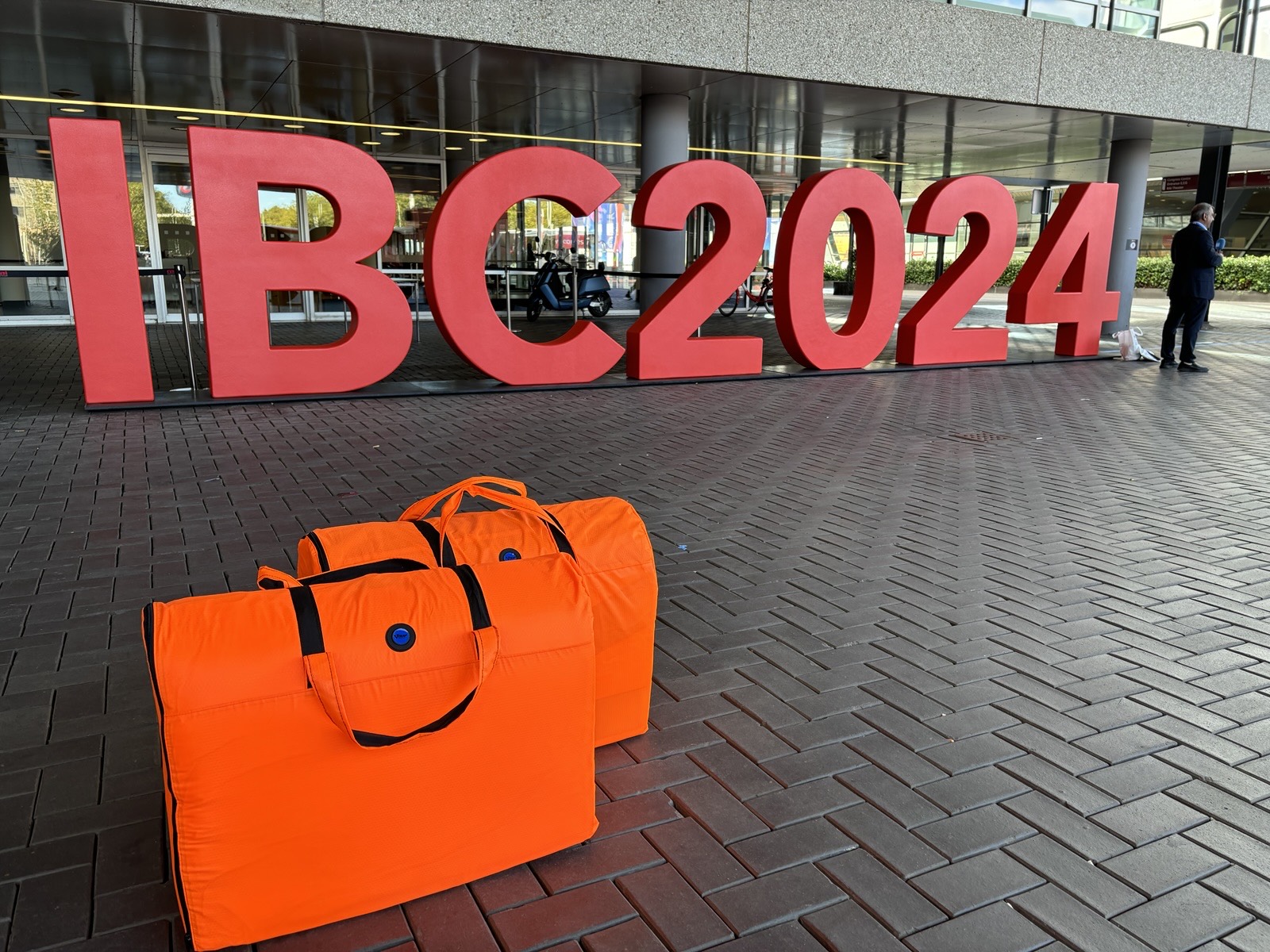
We exhibited twice at IBC Amsterdam and once at ISE Barcelona. To date, VTRAP has won six international design awards.
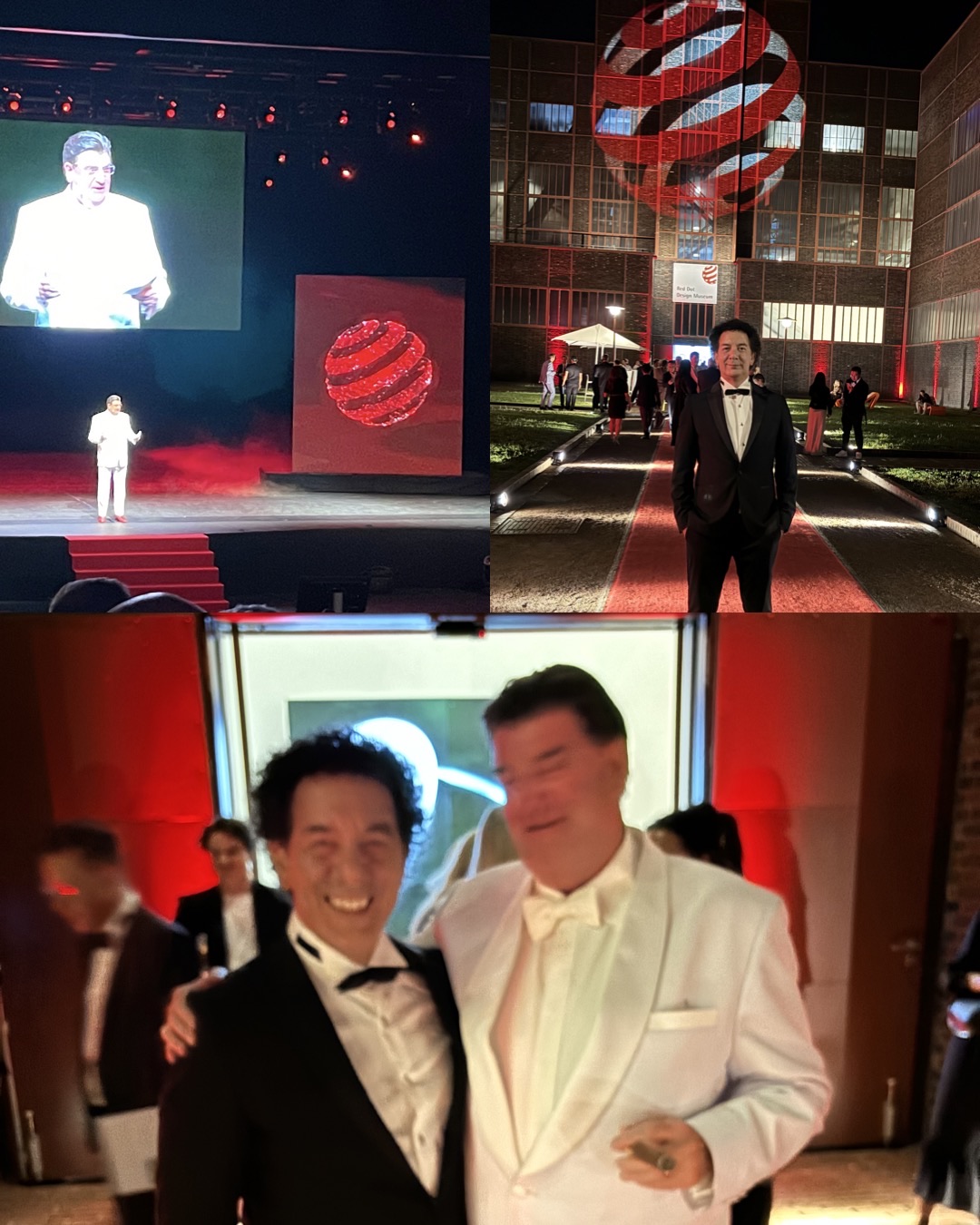
One thing hasn't changed since that car in the parking garage: the biggest reward for me is opening a take an artist sent from home and hearing it as clean as if it had been recorded in the studio.
Ufuk Bigay